
What are the Five Important Benefits of Nutrition?
Good nutrition is not only about losing weight or following a strict diet. It is about giving your body the nutrients and energy it needs to work, recover, grow, and stay active.
If you exercise regularly, nutrition becomes even more important. Your body needs fuel before training, nutrients during the day, and enough protein, carbohydrates, fats, vitamins, minerals, and fluids to support recovery.
For people searching for nutrition guidance in Hyderabad, the first step is understanding the basics. You do not need a complicated diet to eat better. You need a balanced approach that fits your goals, lifestyle, food preferences, and activity level.
This guide explains the five important benefits of nutrition and shows how better food choices can support your FitnessFlow journey.
Table of Contents
- What Is Nutrition?
- Why Is Nutrition Important?
- Five Important Benefits of Nutrition
- Nutrition Helps Provide Energy
- Nutrition Supports Muscle Growth and Recovery
- Nutrition Helps Maintain a Healthy Weight
- Nutrition Supports Immunity and Overall Health
- Nutrition Supports Mental Focus and Daily Performance
- What Should a Balanced Diet Include?
- Protein and Fitness
- Carbohydrates and Exercise
- Healthy Fats
- Vitamins and Minerals
- Water and Hydration
- Nutrition for Different Fitness Goals
- Nutrition Guidance in Hyderabad
- When Should You Look for a Nutritionist Near Me?
- Simple Healthy Meal Ideas
- Common Nutrition Mistakes
- How to Build a Better Eating Routine
- Frequently Asked Nutrition Questions
- Final Thoughts
What Is Nutrition?
Nutrition is the process of getting and using nutrients from food and drinks. These nutrients help the body produce energy, maintain tissues, support normal body functions, and stay healthy.
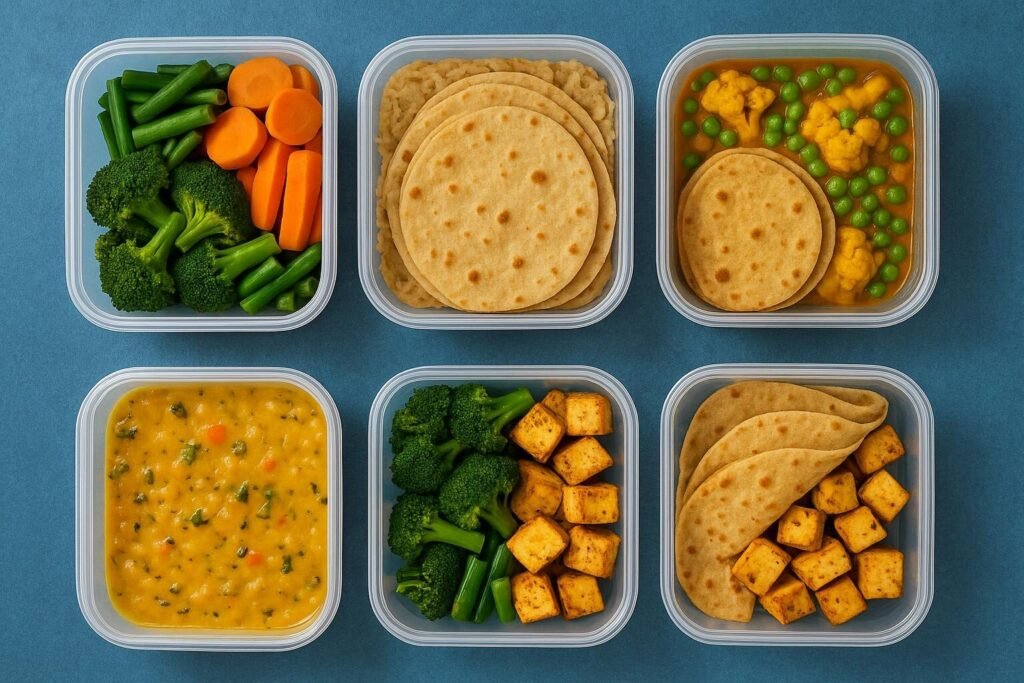
The main nutrients include:
- Protein
- Carbohydrates
- Fats
- Vitamins
- Minerals
- Water
A healthy diet is not the same for everyone. Your nutritional needs can change depending on your age, body size, activity level, goals, culture, food choices, and health needs. The World Health Organization also emphasizes adequacy, balance, moderation, and diversity as important principles of a healthy diet.
This is why a meal plan that works for one person may not work in the same way for another.
Why is Nutrition Important?
Think about your body like a machine.
Exercise creates a demand for energy. Recovery creates a demand for nutrients. Your daily activities also require fuel.
If your food choices are poor or your overall diet lacks variety, you may find it harder to maintain consistent energy and training habits.
A balanced diet can support:
- Daily energy
- Exercise performance
- Muscle recovery
- Healthy body weight
- Normal body functions
- Focus and concentration
- Long-term health
The WHO recommends a varied diet that includes foods such as vegetables, fruits, legumes, nuts, whole grains, and appropriate protein sources.
1. Nutrition Provides Energy
Five Important Benefits of Nutrition
One of the most important benefits of nutrition is providing energy for everyday life.
Your body needs energy for walking, working, studying, exercising, sleeping, and maintaining normal body functions.
Carbohydrates, fats, and protein all contribute to your energy needs, although they have different roles in the body.
For people who exercise, choosing quality carbohydrate sources can help provide fuel for training. Foods such as oats, brown rice, whole grains, fruits, vegetables, and pulses can be part of a balanced eating pattern.
A meal does not have to be complicated.
For example, a simple meal could include:
- Brown rice
- Dal
- Mixed vegetables
- Curd
- Fruit
The right amount depends on the individual.
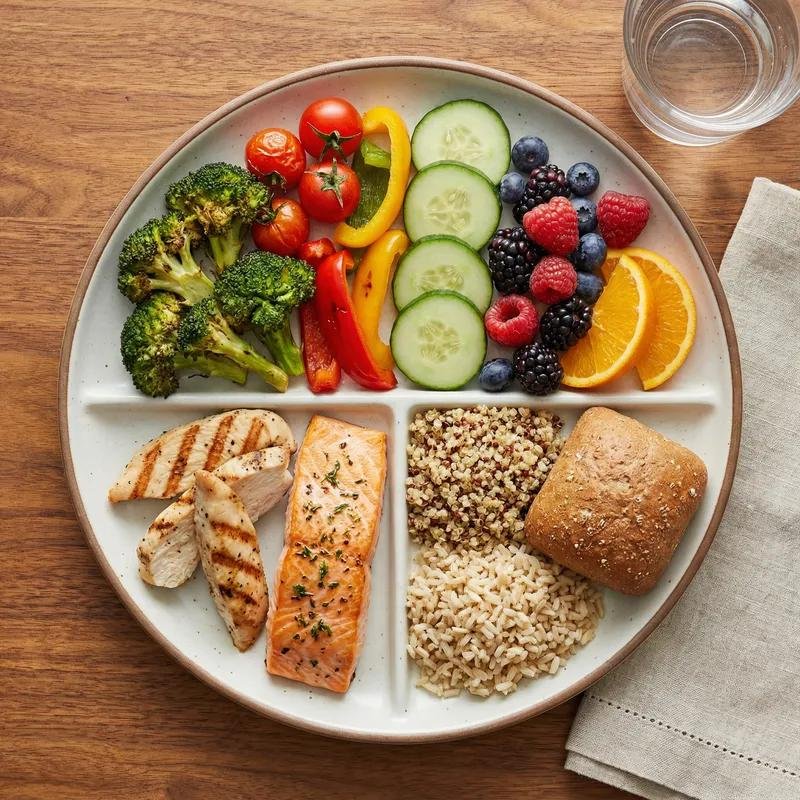
Harvard’s Healthy Eating Plate recommends making roughly half the plate vegetables and fruit, with the remaining portion including whole grains and healthy protein sources.
2. Nutrition Supports Muscle Growth and Recovery
Exercise challenges your muscles.
Strength training creates a need for recovery, and food provides nutrients that help support this process.
Protein is especially important because it provides amino acids used by the body to build and maintain tissues.
Common protein sources include:
- Eggs
- Fish
- Chicken
- Milk
- Curd
- Paneer
- Dal
- Chickpeas
- Beans
- Soy foods
- Nuts and seeds
You do not need to depend on supplements to build a healthy diet.
A varied diet can provide protein through both plant and animal foods.
For someone following a strength-training program, nutrition should work together with training, rest, and consistency.
This is where personalized nutrition guidance in Hyderabad can be useful. A qualified professional can help you understand how your food choices fit your training goals.
3. Nutrition Helps Maintain a Healthy Weight
Healthy weight management is not simply about eating as little as possible.
Food quality, portion sizes, activity, sleep, and long-term habits all matter.
A balanced diet can help you create sustainable eating habits instead of relying on extreme restrictions.
High-quality foods can include:
- Vegetables
- Fruits
- Whole grains
- Pulses
- Lean protein
- Nuts
- Seeds
- Healthy oils
Harvard’s nutrition guidance emphasizes food quality as well as appropriate portions rather than focusing only on calories.
For someone working toward weight loss, the goal should be a realistic eating pattern that can be followed consistently.
Crash diets may be difficult to maintain.
A better approach is often to improve food quality, manage portions, stay active, and build habits that fit your lifestyle.
4. Nutrition Supports Immunity and Overall Health
Your body needs a range of vitamins and minerals for normal functions.
Vegetables and fruits provide many important nutrients, including vitamins, minerals, fiber, and other beneficial compounds.
Different foods provide different nutrients.
That is why variety matters.
Instead of eating the same few foods every day, try to include different colors and types of vegetables and fruits.
For example:
- Spinach
- Carrots
- Tomatoes
- Beans
- Capsicum
- Cucumber
- Oranges
- Bananas
- Apples
- Berries
WHO guidance notes that diets rich in vegetables and fruit are associated with a lower risk of several chronic diseases.
Nutrition is therefore not only about appearance.
It is also about supporting your overall health.
5. Nutrition Supports Focus and Daily Performance
Your food choices can also affect how you feel during the day.
A balanced eating pattern can help you maintain a regular supply of energy while supporting normal body functions.
For people who work, study, train, or manage busy schedules, regular meals and adequate hydration can make it easier to maintain healthy routines.
A simple approach is to combine:
Protein + vegetables or fruit + quality carbohydrates + healthy fats + water
For example:
Breakfast:
Oats + milk + fruit + nuts
Lunch:
Rice + dal + vegetables + curd
Snack:
Fruit + nuts or yogurt
Dinner:
Roti + vegetables + paneer or another protein source
These are examples, not personalized prescriptions.
What Should a Balanced Diet Include?
A balanced diet should contain a variety of foods.
Vegetables and Fruits
Vegetables and fruits provide vitamins, minerals, fiber, and other nutrients.
Try to include different colors throughout the week.
WHO recommends that people older than 10 aim for at least 400 grams of fruits and vegetables per day.
Whole Grains
Whole grains can include:
- Oats
- Brown rice
- Whole-wheat roti
- Millet
- Barley
- Whole-grain breads
These foods can provide carbohydrates and dietary fiber.
Protein Foods
Protein can come from:
- Eggs
- Fish
- Chicken
- Milk
- Curd
- Paneer
- Lentils
- Beans
- Chickpeas
- Soy
- Nuts
Healthy Fats
Healthy fat sources can include:
- Nuts
- Seeds
- Avocado
- Fish
- Plant oils
The quality of fat matters. WHO recommends favoring unsaturated fats over saturated and industrial trans fats.
Water
Water is essential for normal body functions.
Your hydration needs can vary based on weather, activity, exercise intensity, and individual factors.
This is especially relevant in a warm climate such as Hyderabad.
Protein and Fitness
Protein is one of the most discussed nutrients in fitness.
It plays an important role in maintaining and repairing body tissues.
If you are doing resistance training, protein-rich foods can be part of your overall nutrition plan.
However, more protein is not automatically better.
Your needs depend on factors such as:
- Body size
- Training
- Goals
- Overall diet
- Activity level
- Individual health needs
Instead of copying someone else’s diet from social media, consider getting nutrition guidance in Hyderabad from a qualified professional who can consider your individual situation.
Carbohydrates and Exercise
Carbohydrates often get a bad reputation in diet discussions.
But carbohydrates are an important source of energy.
Sources include:
- Rice
- Oats
- Potatoes
- Sweet potatoes
- Fruits
- Whole grains
- Millets
- Beans
- Lentils
The type and amount of carbohydrate can matter.
WHO recommends getting carbohydrates mainly from whole grains, vegetables, fruits, and pulses.
If you exercise regularly, removing all carbohydrates is not automatically necessary.
Instead, focus on food quality and the overall balance of your diet.
Healthy Fats
Fat is also an essential nutrient.
Healthy sources include nuts, seeds, fish, avocado, and several plant oils.
Fat can help provide energy and support important body functions.
However, fats are energy-dense, so portion sizes still matter.
A balanced diet is not about removing every food that contains fat.
It is about choosing appropriate foods and amounts.
Vitamins and Minerals
Vitamins and minerals are needed in relatively small amounts, but they play important roles in normal body functions.
Examples include:
- Iron
- Calcium
- Magnesium
- Zinc
- Vitamin C
- Vitamin D
- Vitamin B vitamins
Different foods provide different nutrients.
Eating a varied diet is therefore important.
If you think you have a nutrient deficiency, do not diagnose yourself from an online article. Speak with an appropriate healthcare professional.
Water and Hydration
Hydration is an important part of fitness.
Water supports many normal functions in the body.
During exercise, especially in hot or humid conditions, fluid needs can increase.
A simple habit is to keep water available throughout the day and drink regularly.
People who exercise outdoors in Hyderabad should pay attention to heat and sweat loss.
Hydration needs can differ from person to person, so there is no single amount that is perfect for everyone.
Nutrition for Different Fitness Goals
Your nutrition approach should match your goal.
Nutrition for Weight Loss
A weight-loss eating pattern should be sustainable.
Useful habits may include:
- More vegetables
- Adequate protein
- Whole-food carbohydrate sources
- Appropriate portions
- Fewer sugary drinks
- Less highly processed food
- Regular physical activity
The goal is not to starve.
The goal is to develop habits that can continue over time.
Nutrition for Muscle Building
Muscle building requires more than simply eating large amounts of food.
A complete approach includes:
- Resistance training
- Adequate protein
- Sufficient energy
- Carbohydrates
- Healthy fats
- Recovery
- Sleep
- Consistency
Your exact needs depend on your body and training program.
Nutrition for Strength Training
Strength training places demands on your muscles and energy systems.
A balanced diet can support your training routine.
Before training, some people prefer a meal or snack containing carbohydrates and protein.
After training, a balanced meal can help you meet your daily nutrition needs.
There is no need to make every meal complicated.
Consistency matters more than perfection.
Nutrition Guidance in Hyderabad
Finding practical nutrition guidance in Hyderabad can be useful if you are confused about what to eat around your workouts.
Hyderabad has a wide range of traditional foods, restaurants, home-cooked meals, and modern fitness options.
A good nutrition approach does not have to remove local foods.
For example, an Indian fitness meal can include:
- Idli
- Dosa
- Upma
- Rice
- Roti
- Dal
- Sambar
- Vegetables
- Curd
- Paneer
- Eggs
- Fish
- Chicken
- Fruits
The key is how foods fit into your overall eating pattern.
Nutrition guidance should also respect food preferences and cultural habits.
WHO notes that a healthy diet can vary according to individual characteristics, cultural context, locally available foods, and dietary customs.
When Should You Search for a Nutritionist Near Me?
Many people search “nutritionist near me” when they want help with weight loss, muscle building, sports nutrition, meal planning, or healthier eating.
A qualified nutrition professional can help you understand:
- What foods fit your goals
- How to structure meals
- How to improve food quality
- How to plan around workouts
- How to manage portions
- How to create sustainable habits
If you have a medical condition, food allergy, eating disorder, pregnancy-related nutrition needs, or other specific health concerns, seek advice from an appropriately qualified healthcare professional.
A general fitness article should not replace individualized medical or nutrition care.
Simple Healthy Meal Ideas
You do not need expensive foods to create nutritious meals.
Breakfast
Option 1:
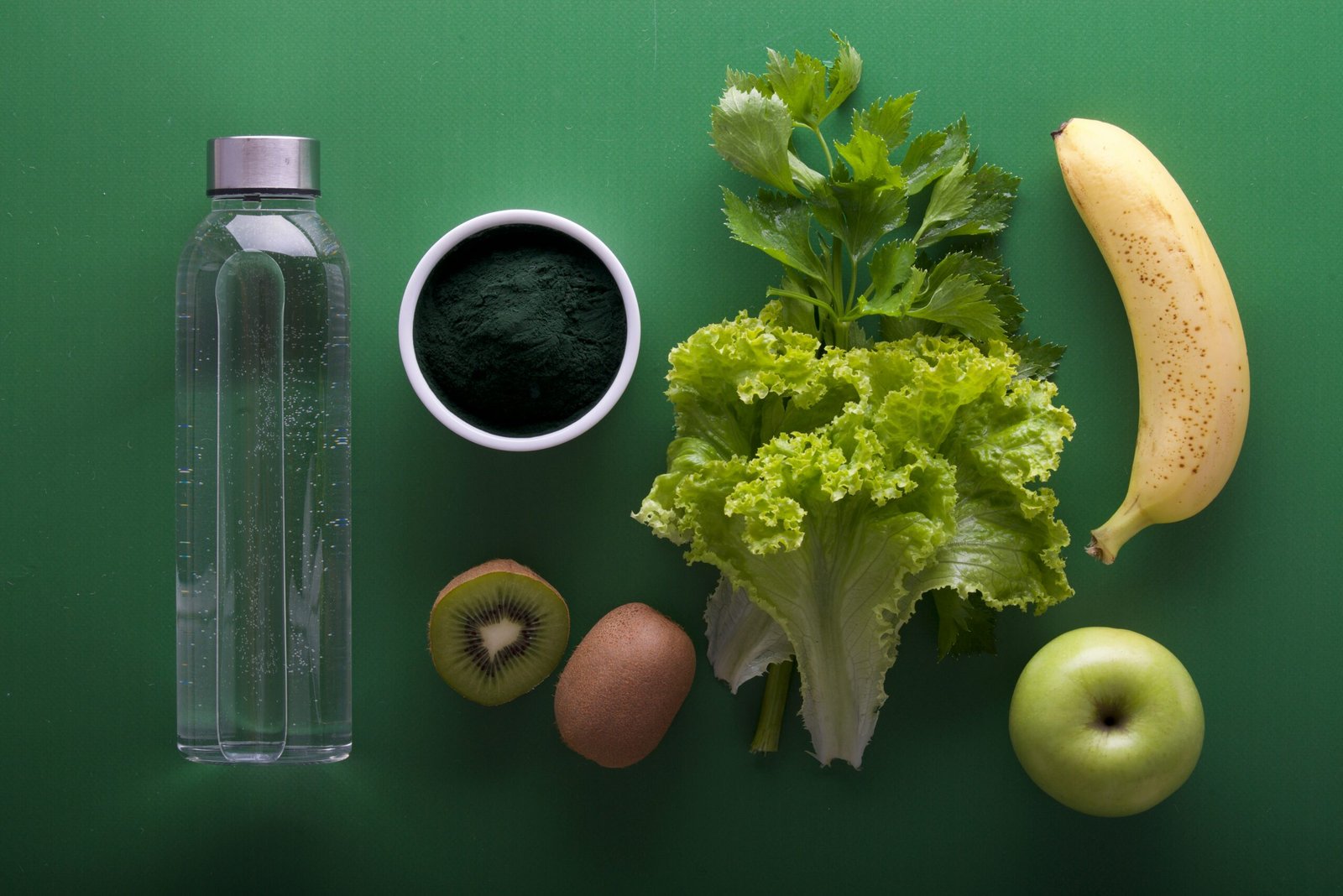
Oats + milk + banana + nuts
Option 2:
Eggs + whole-wheat toast + fruit
Option 3:
Idli + sambar + vegetables
Lunch
Option 1:
Rice + dal + vegetables + curd
Option 2:
Roti + paneer + salad
Option 3:
Brown rice + chicken + vegetables

Snack
Dinner
Try:
- Fruit
- Yogurt
- Nuts
- Roasted chickpeas
- Boiled eggs
A simple dinner could include:
- Roti
- Vegetables
- Dal
- Paneer
- Fish
- Chicken
- Curd
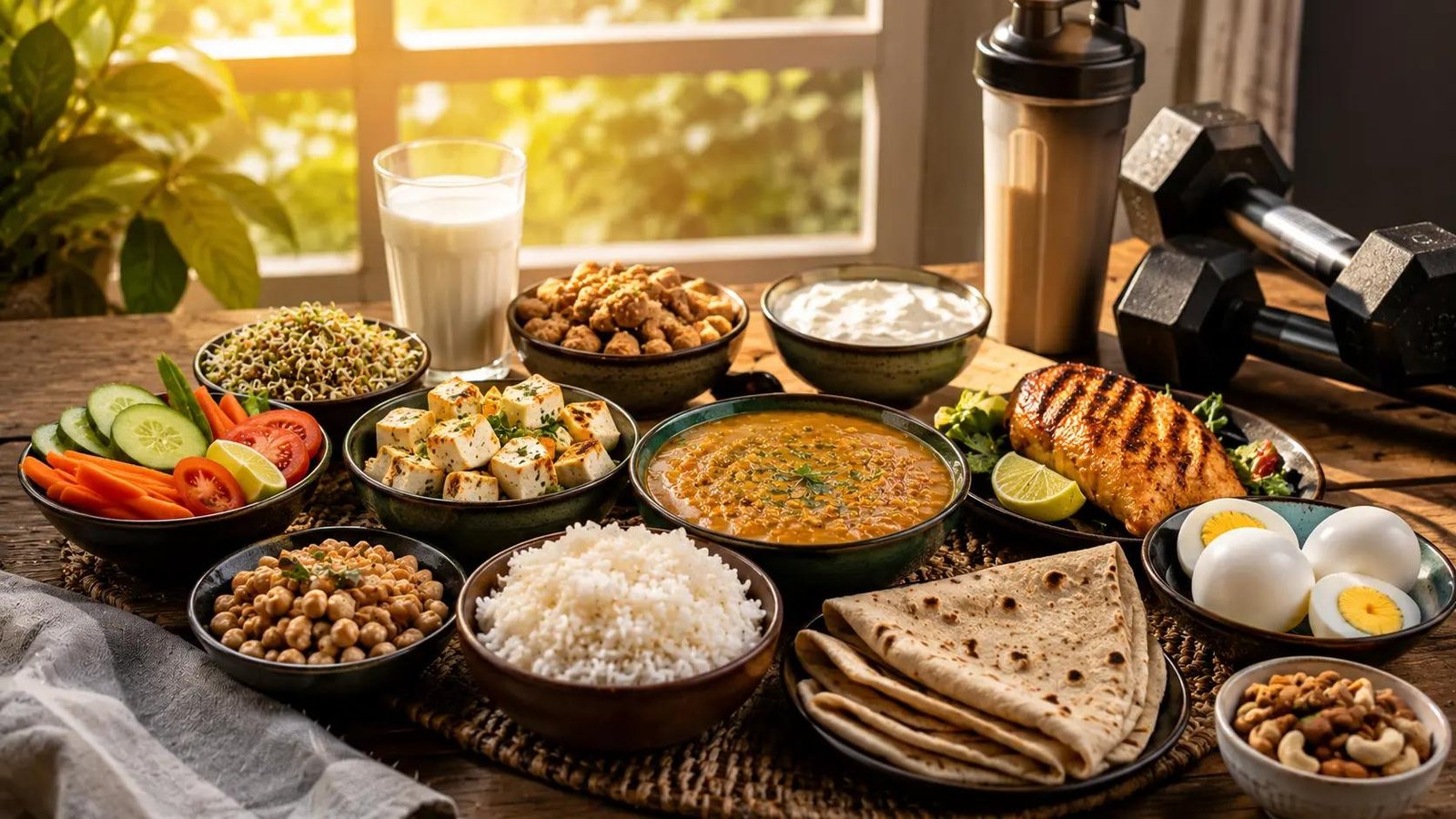
Portions should be adapted to your personal needs.
Common Nutrition Mistakes
1. Following Someone Else’s Diet
A celebrity or fitness influencer may have a completely different lifestyle and training schedule.
Their diet may not suit you.
2. Cutting Out Entire Food Groups Without a Reason
Removing carbohydrates, fats, or other food groups without understanding your needs can make your diet harder to balance.
3. Focusing Only on Calories
Calories matter, but food quality also matters.
A healthy diet should include nutrient-rich foods.
Harvard’s nutrition guidance emphasizes overall food quality rather than calories alone.
4. Ignoring Hydration
People often focus on protein and calories while forgetting water.
Hydration should be part of your daily routine.
5. Expecting Fast Results
Fitness is a long-term process.
A healthy eating pattern should be something you can maintain.
How to Build a Better Eating Routine
Start small.
Step 1: Add More Vegetables
Include vegetables in lunch and dinner.
Step 2: Add a Protein Source
Include an appropriate protein source in your main meals.
Step 3: Choose Better Carbohydrates
Choose whole grains, fruits, vegetables, and pulses more often.
Step 4: Drink More Water
Keep water accessible throughout your day.
Step 5: Reduce Sugary Drinks
Water can replace many sugary beverages.
Step 6: Plan Your Meals
Planning can reduce last-minute food choices.
Step 7: Stay Consistent
A good nutrition routine does not need to be perfect every day.
Nutrition and Your Fitness Flow Journey
Training is only one part of fitness.
Your workouts provide the training stimulus, while food provides nutrients and energy that support your daily activity and recovery.
That is why FitnessFlow combines structured workouts with progress tracking and practical nutrition support.
Whether your goal is:
- Weight management
- Muscle building
- Strength
- Better conditioning
- Improved fitness
- General health
Your nutrition habits can become part of the bigger picture.
For people looking for nutrition guidance in Hyderabad, the most useful approach is one that fits real life.
You should be able to enjoy your food, train consistently, and build habits that can last.
Frequently Asked Questions About Nutrition
What are the five important benefits of nutrition?
The five important benefits discussed in this article are:
- Provides energy
- Supports muscle growth and recovery
- Helps with healthy weight management
- Supports immunity and overall health
- Supports focus and daily performance
These benefits are connected. A balanced diet can support both everyday health and an active lifestyle.
What are the five main nutrients?
The major nutrient groups commonly discussed are:
- Carbohydrates
- Protein
- Fats
- Vitamins
- Minerals
Water is also essential for life and normal body functions.
What are ten healthy foods?
Examples include:
- Eggs
- Oats
- Lentils
- Chickpeas
- Spinach
- Carrots
- Bananas
- Apples
- Nuts
- Fish
There is no single list of ten foods that is perfect for everyone. Variety is more important than relying on a small list.
What should I eat before a workout?
A pre-workout meal or snack can vary according to your training time, workout intensity, preferences, and overall diet.
Some people choose foods containing carbohydrates and protein.
Examples may include fruit with yogurt, oats with milk, or a simple meal containing rice and a protein source.
What should I eat after a workout?
A balanced post-workout meal can include protein, carbohydrates, vegetables or fruit, and fluids.
The exact food and portion depend on your overall nutrition needs and training routine.
Can nutrition help with muscle building?
Yes. Nutrition is one part of a muscle-building plan.
Resistance training, adequate food intake, protein, recovery, and sleep all matter.
The exact approach should be based on your individual needs.
Can nutrition help with weight loss?
A balanced eating pattern can support healthy weight management when combined with appropriate physical activity and sustainable habits.
Extreme diets are not necessary for everyone.
How do I find a nutritionist near me?
If you search “nutritionist near me,” check the professional’s qualifications, experience, areas of practice, and whether their approach fits your needs.
For medical nutrition concerns, choose an appropriately qualified healthcare professional.
Where can I get nutrition guidance in Hyderabad?
If you are looking for nutrition guidance in Hyderabad, consider a qualified nutrition professional who can understand your fitness goals, food preferences, lifestyle, and individual needs.
For FitnessFlow members, nutrition can be considered alongside structured workouts and fitness progress.
Final Thoughts
Good nutrition does not mean eating perfectly.
It means making consistent choices that provide your body with the nutrients and energy it needs.
The five important benefits of nutrition are clear: energy, recovery, healthy weight management, overall health, and daily performance.
If you are beginning your fitness journey, start with simple habits.
Eat a variety of foods.
Include vegetables and fruit.
Choose quality protein sources.
Include suitable whole grains and other carbohydrate sources.
Choose healthy fats.
Drink enough water.
And most importantly, build a routine you can maintain.
If you are searching for nutrition guidance in Hyderabad or looking for a nutritionist near me, consider getting personalized professional guidance rather than copying a generic diet from the internet.
Your nutrition plan should work with your fitness journey—not against it.
Train smart. Eat well. Recover better. Build your strongest self with FitnessFlow.