
What Are the 5 Best Cardio Exercises?
When we want to improve our fitness, increase stamina, or manage our weight, cardio workout exercises are often one of the first options we consider. But which exercises should we choose? How often should we perform them? And can cardio actually help us lose belly fat? Cardio does much more than make us sweat. Regular cardiovascular activity can help improve endurance,support heart health, increase daily energy expenditure, and become an important part of a balanced fitness routine.
In this guide, we will explore five effective cardio workout exercises, explain proper posture and technique, discuss their benefits, and answer one of the most common fitness questions:
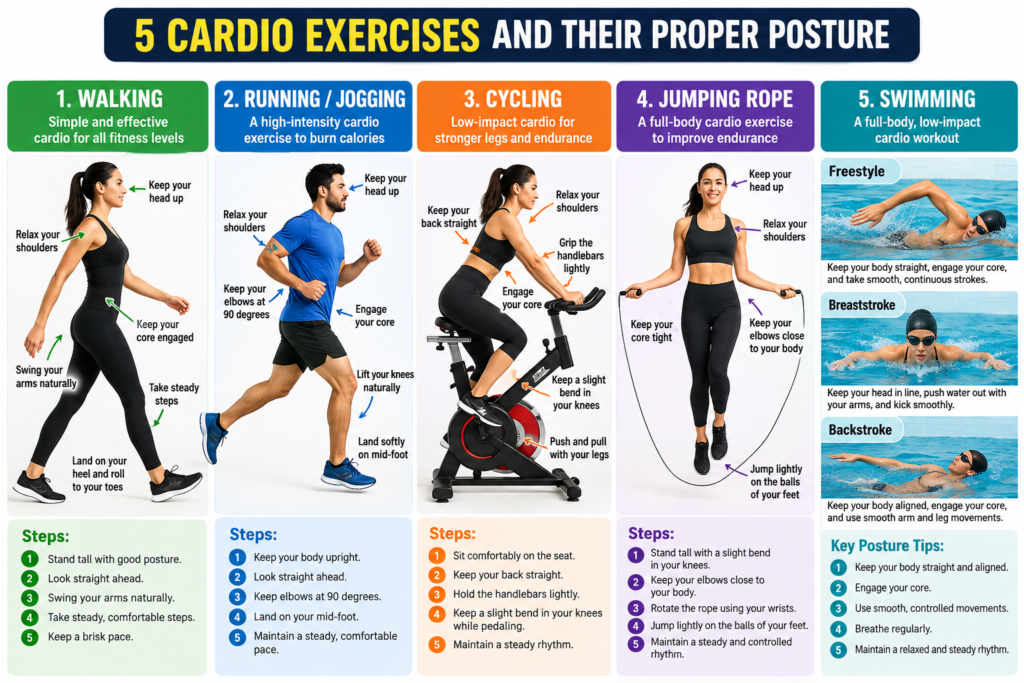
There is no single exercise that is best for everyone. Your ideal cardio activity depends on your fitness level, goals, preferences, available equipment, and physical condition. Adjust intensity and duration accordingly to stay safe and motivated.
Five accessible options are:
- Walking
- Running or jogging
- Cycling
- Jumping rope
- Swimming
Let’s look at each one and understand how to perform it safely.
What Is a Cardio Workout?
Cardio, short for cardiovascular exercise, is physical activity that increases our heart rate and breathing. It generally involves continuous or repeated movements using large muscle groups.
Walking, running, cycling, swimming, dancing, rowing, and jumping rope are common examples.
Cardiovascular exercise can be performed at different intensities. A comfortable walk may provide light-to-moderate activity, while running or high-intensity intervals can create a much greater cardiovascular challenge.
The important point is that we do not have to complete all our activity in one session. We can divide it into manageable workouts throughout the week.
According to the CDC, adults should aim for at least 150 minutes of moderate-intensity aerobic activity each week, or 75 minutes of vigorous activity, along with muscle-strengthening activities on at least two days per week. CDC physical activity guidelines
1. Walking
Walking is one of the simplest cardio workout exercises for beginners.
It requires very little equipment and can be performed outdoors, indoors, on a treadmill, or around a neighborhood.
For beginners, a comfortable walk can be an excellent starting point. As our fitness improves, we can gradually increase our pace or duration, helping us feel more confident and motivated.

Proper Walking Posture
When walking for exercise:
- Keep the head in a neutral position.
- Look forward rather than constantly looking down.
- Relax the shoulders.
- Keep the core gently engaged.
- Swing the arms naturally.
- Take comfortable, controlled steps.
- Maintain a pace that raises your heart rate without making you feel overwhelmed.
We can make walking more challenging by adding hills, increasing treadmill incline, walking faster, or extending the workout.
2. Running and Jogging
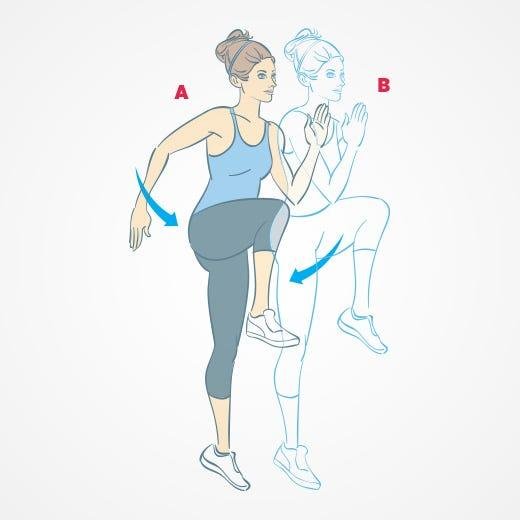
Running and jogging provide a higher-intensity cardiovascular workout than comfortable walking.
For beginners, we do not need to start by running continuously. A walk-and-jog approach can make the transition easier.
For example:
2 minutes walking + 1 minute jogging
We can repeat this sequence several times and gradually increase the jogging duration..

Proper Running Posture
During running:
- Keep the upper body relatively upright.
- Look ahead.
- Relax the shoulders.
- Keep the arms moving naturally.
- Avoid excessive twisting.
- Land comfortably and maintain controlled strides.
- Increase speed gradually.
Running can place more impact on the joints than walking, so gradual progression is important.
3. Cycling

Cycling is another effective form of cardio workout exercise.
We can cycle outdoors or use a stationary bike at the gym. It allows us to control resistance, speed, and workout duration.
Cycling can be especially useful for people who prefer lower-impact cardiovascular activity.
Proper Cycling Posture
For a stationary bike:
- Sit comfortably on the saddle.
- Keep the back relatively straight.
- Relax the shoulders.
- Hold the handlebars lightly.
- Keep the knees aligned with the feet.
- Maintain a slight bend in the knees.
- Pedal smoothly rather than pushing aggressively.
We can start with 15–20 minutes and gradually build toward longer sessions.
4. Jumping Rope
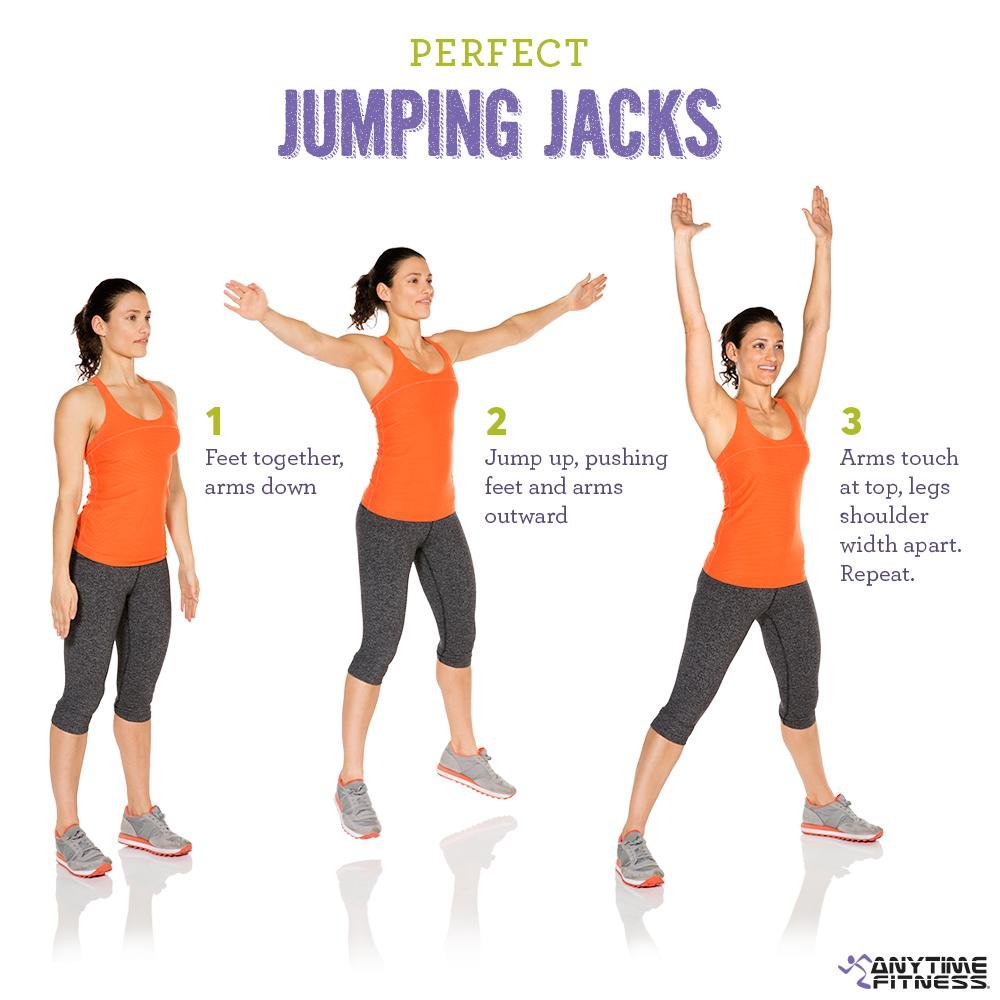
Jumping rope is a fast-paced cardiovascular activity that can challenge our endurance and coordination.
Because it involves repeated jumping, beginners should start with short intervals rather than attempting long continuous sessions immediately.
A simple beginner workout could be:
30 seconds jumping + 30 seconds rest
We can repeat this five to ten times depending on our fitness level.
Proper Jump-Rope Posture
For better technique:
- Keep the body upright.
- Relax the shoulders.
- Keep the elbows relatively close to the body.
- Rotate the rope primarily with the wrists.
- Jump lightly rather than excessively high.
- Land softly on the balls of the feet.
- Maintain a controlled rhythm.
If jumping causes pain or discomfort in doing Cardio workout exercises, we should choose a lower-impact activity such as walking or cycling.
5. Swimming
Swimming is a full-body aerobic activity that can provide a challenging workout while placing relatively low impact on the joints.
Different Cardio workout exercises strokes can change the demands of the workout.
Popular swimming styles include:
- Freestyle
- Breaststroke
- Backstroke
- Butterfly
Proper Swimming Technique
Good swimming technique depends on the stroke, but several principles are useful:
- Keep the body aligned.
- Engage the core.
- Use controlled arm movements.
- Coordinate breathing with the stroke.
- Avoid unnecessary tension.
- Maintain a smooth rhythm.
Swimming can be performed continuously or in intervals with rest periods between laps.
Can Cardio Burn Belly Fat?
This is one of the most searched fitness questions.
Cardio workout exercises can support overall body-fat loss, but we cannot specifically instruct our body to burn fat only from the belly.
This is known as the difference between overall fat loss and spot reduction.
When we lose body fat, our individual biology influences where fat is lost first and where it remains longer.
Mayo Clinic explains that abdominal fat includes subcutaneous fat beneath the skin and visceral fat around internal organs. It also notes that abdominal exercises alone do not specifically eliminate belly fat. Mayo Clinic — Belly fat and weight loss
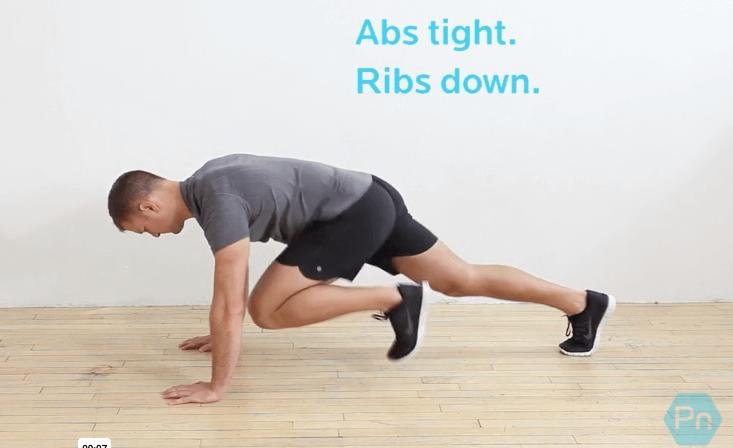
Therefore, doing hundreds of crunches or repeating one abdominal exercise will not automatically remove belly fat.
A more complete approach is to combine cardio with strength training, which can make you feel more empowered and confident in your Cardio workout exercises journey.
Cardio + strength training + balanced nutrition + adequate recovery + consistency
Think of fat loss like gradually reducing the water level in a swimming pool. We cannot choose which corner becomes dry first. As overall body fat decreases, changes can occur in different areas at different rates.
How Much Cardio workout exercises Should We Do?
For general adult health, current guidelines recommend:
- 150–300 minutes of moderate-intensity aerobic activity per week, or
- 75–150 minutes of vigorous-intensity aerobic activity per week, or
- An equivalent combination.
We should also include muscle-strengthening activities at least two days each week. CDC — Physical Activity Guidelines
For example:
Monday: 30-minute brisk walk
Tuesday: Strength training
Wednesday: 30-minute cycling
Thursday: Rest or light movement
Friday: Cardio workout
Saturday: Strength training
Sunday: Walking or recovery
Our actual schedule for Cardio workout exercises can be adjusted according to our goals and fitness level.
Cardio Workout Exercises for Beginners
If we are new to exercise, we should avoid trying to complete an advanced workout immediately.
Instead, we can begin with manageable sessions.
Beginner Cardio Routine
Warm-up — 5 minutes
Start with slow walking and gradually increase the pace.
Main workout — 15–20 minutes
Alternate between comfortable and brisk walking.
Cool-down — 5 minutes
Gradually reduce the pace.
As our fitness improves, we can increase duration, speed, resistance, or intensity.
The objective is not to finish every workout exhausted.
The objective is to build a routine we can consistently maintain.
Cardio for Weight Loss
Cardio can support weight management by increasing physical activity and energy expenditure.
However, exercise is only one part of the process.
Our results can also be influenced by:
- Food intake
- Daily movement
- Sleep
- Stress
- Training consistency
- Muscle mass
- Individual metabolism
For this reason, a sustainable weight-loss program should not depend entirely on cardio.
Combining cardio worHomekout exercises with resistance training can create a more balanced fitness routine.
We can also increase everyday movement by:
- Walking more
- Taking stairs
- Reducing prolonged sitting
- Walking during breaks
- Performing household activities
Small movements throughout the day can contribute to our overall activity level.
Cardio and Strength Training
Should we choose Cardio workout exercises or strength training?
For most people, we don’t need to choose just one.
Both can have a place in a balanced fitness routine.
Cardio workout exercises can help improve cardiovascular fitness and endurance, while strength training can improve muscular strength and support muscle development.
A weekly routine could look like this:
DayActivity
Monday Cardio
Tuesday Strength training
Wednesday Cardio
Thursday Recovery
Friday Strength + cardio
Saturday Walking
Sunday Rest
This is only an example. Our program should be adjusted according to our experience, goals, schedule, and recovery needs.
Common Cardio Mistakes
1. Doing Too Much Too Soon
Starting with an extremely intense Cardio workout exercises can make recovery difficult. We should build gradually.
2. Ignoring Proper Posture
Good technique helps us perform movements more efficiently and comfortably.
3. Skipping the Warm-Up
A gradual warm-up prepares the body for the upcoming activity.
4. Doing Only One Type of Cardio
Trying different activities can make exercise more enjoyable and prevent boredom.
5. Expecting Spot Reduction
Cardio can contribute to overall fat loss, but it cannot guarantee fat loss from one specific body area.
6. Ignoring Strength Training
A balanced fitness routine can include both aerobic and muscle-strengthening activities.
How to Create a Cardio Workout Plan
We can create a simple Cardio workout exercises plan by following five steps.
Step 1: Choose an Activity
Select an Cardio workout exercises we enjoy and can perform safely.
Step 2: Start With a Realistic Duration
If we are beginners, even 15–20 minutes can be a useful starting point.
Step 3: Select an Appropriate Intensity
We should choose an intensity that matches our fitness level.
Step 4: Progress Gradually
We can increase duration, frequency, resistance, or intensity over time.
Step 5: Track Our Progress
We can record:
- Workout duration
- Distance
- Steps
- Pace
- Heart rate
- Exercise type
- Perceived effort
Tracking can help us understand our progress instead of relying only on appearance or body weight.
Frequently Asked Questions
1. What are the 5 best cardio workout exercises?
Five accessible options are walking, running or jogging, cycling, jumping rope, and swimming. The most appropriate exercise depends on our fitness level, goals, preferences, and physical needs.
2. Can cardio burn belly fat?
Cardio can support overall fat loss and may contribute to reducing abdominal fat over time. However, we cannot specifically target belly fat through one exercise.
3. How often should we do cardio?
For general health, adults should aim for 150–300 minutes of moderate aerobic activity or 75–150 minutes of vigorous aerobic activity per week, alongside muscle-strengthening activity on at least two days.
4. Which cardio exercise is best for beginners?
Walking is often a practical starting point because it requires little equipment and allows us to control the pace and duration.
5. Can cardio help with weight loss?
Yes. Cardio can increase physical activity and energy expenditure and can be part of a weight-management program. Nutrition, strength training, sleep, and consistency also matter.
Conclusion
The best cardio workout exercises are not necessarily the most difficult ones. They are the activities we can perform safely, enjoy, and continue consistently.
Walking, running, cycling, jumping rope, and swimming can all provide effective cardiovascular exercise. We can start at our current fitness level and gradually increase the challenge.
If our goal is belly-fat reduction, we should focus on overall fat loss rather than spot reduction. A combination of cardiovascular exercise, strength training, appropriate nutrition, recovery, and regular daily movement provides a more complete approach.
Most importantly, we should remember that fitness is a journey rather than a one-day challenge. Consistency beats intensity when intensity cannot be maintained.